The AFL and the game's player association have finally reached an in-principal agreement to amend the league's illicit drugs policy.
The process has taken more than a year but the outcome was announced on Thursday in a joint statement.
The new policy will cover both the AFL and AFLW competitions and claims to be the "most comprehensive health-led illicit drugs policy in Australian sport".
READ MORE: DCE's complicated Manly legacy and why some will boo him
READ MORE: Worrying decline laid bare as Aussie cricket hits 53-year low
READ MORE: Salary rule to stop Kerr cashing in with monster deal in USA
It sits separate to that of the World Anti-Doping Agency (WADA) which will still be able to test players on game day and hand down sanctions.
The AFL's previous three-strike drugs policy has been criticised in recent years.
In March 2024, member for parliament Andrew Wilkie dropped a bombshell by using parliamentary privilege to allege AFL clubs had been rorting the three-strike system for years. He alleged clubs were hiding positive drug tests by pulling players from games so they couldn't be tested by WADA.
Players from both the men's and women's elite competitions will now "undergo compulsory drug education, which has been enhanced under the revised model and twice-yearly hair testing".
If a player returns one positive hair test, they will undergo education training and intervention and be "subject to increased levels of accountability with escalating consequences".
A second positive test will result in stricter management and players will be asked to fork out their own money for "treatment and routine testing".
Club bosses will only be informed about a player after a third positive hair test, and an independent panel will be tasked with determining when that individual is "fit to play" in the AFL or AFLW again.
A player will be declared "unavailable for selection" if they are ruled out due to failed drugs tests.
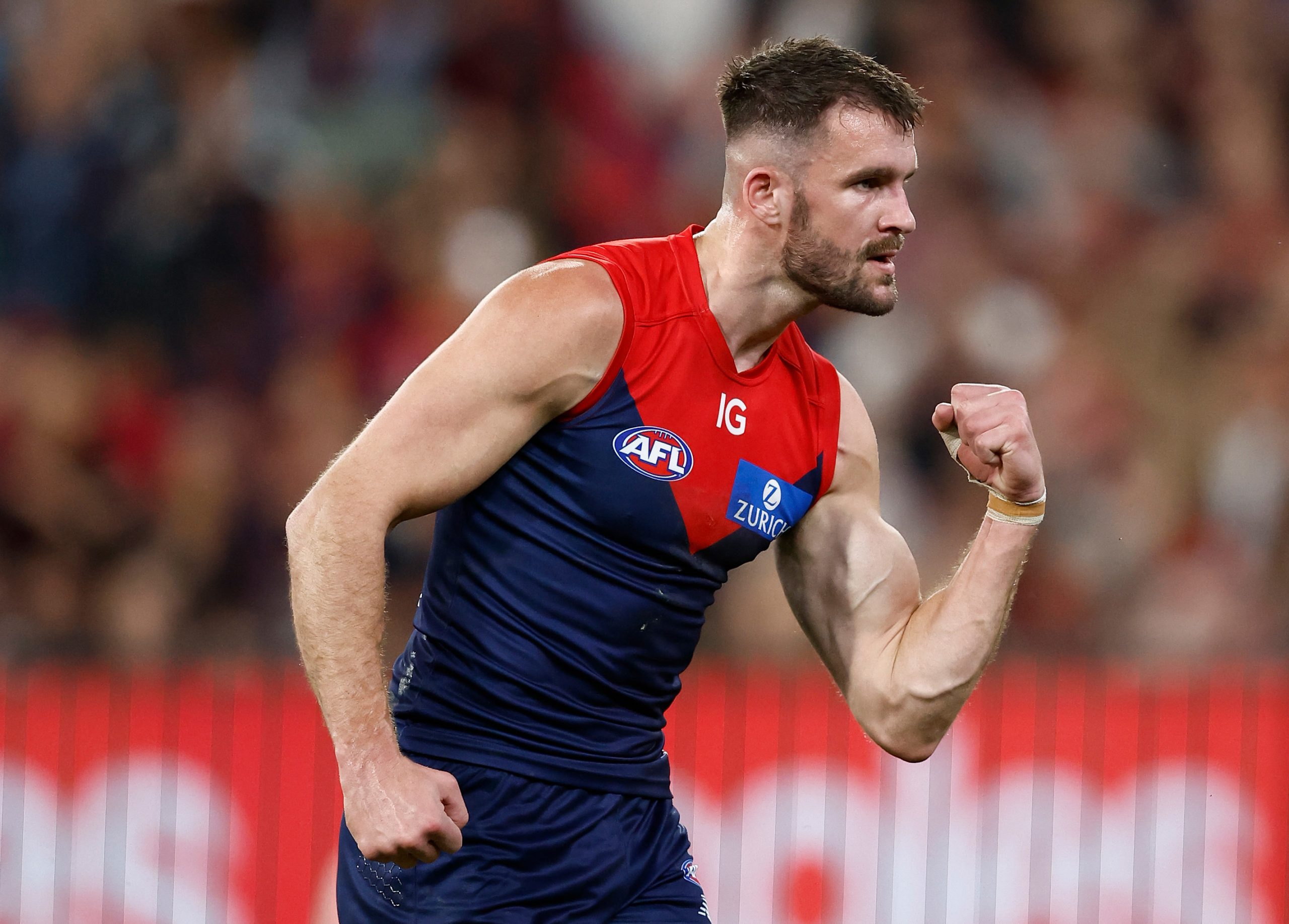
The policy will also offer support to players up to two years after retiring from the game.
As part of the updated policy, the AFL will employ a "drugs policy officer" to ensure it is being implemented.
"The revised IDP will be the most stringent illicit drugs policy in Australian sport, while also remaining clinically informed, and focused on player health and wellbeing," AFL boss Andrew Dillon said in a statement.
"The reality is illicit drug use is not an issue unique to sport – it is a broader societal challenge, and our players are not immune from the issues and pressures that exist in the community.
"This revised policy is stronger, more comprehensive and more rigorous. It combines mandatory education, universal hair testing, treatment, monitoring and ongoing support across both AFL and AFLW.
"The policy is an important step forward for our game and reflects the shared commitment of the AFL and the AFLPA."
The policy will not come into effect for several months.
Outspoken former Collingwood president Eddie McGuire has been one of the loudest voices calling for the drugs policy to be overhauled.

When changes were reported earlier this month, Maguire was all for the new recommendations.
"I can tell you that there has been a very, very elaborate deep dive at the AFL," McGuire said on Nine's Footy Classified.
"And there has been a huge backlash from players who are sick of being tarnished with a drug blanket.
"The other one, which is the most significant one, is there's a lot of pushback from clubs, from supporters, and members for players who are getting paid up to $1m a year not to play football because of drug indiscretions, and because some of these indiscretions are being covered by a catch-all.
"It's a societal issue. So take all the shame out of it.
"What we need to do… is get to a position where if a player is hair tested, if they come up (positive) then they have to be rehabilitated, not punished. Really lean into the medical side of things, but you can't play, because illicit drugs are generally performance enhancing drugs as well.
"We've seen players run the gauntlet way too much, and it's not helping players. We are losing players."
Leave a Reply
You must be logged in to post a comment.