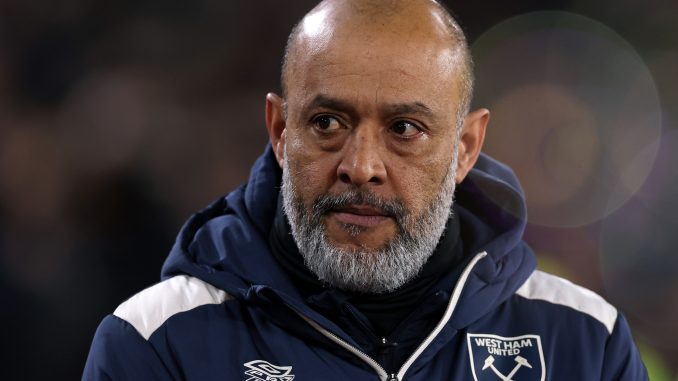
Nuno Espírito Santo sits at The Boleyn Tavern in London with West Ham staffers, producers and bright lights around him.
Wide World of Sports is the last of four outlets to be granted an interview with the 51-year-old, and it's clear he's a busy man.
As staffers ensure all cameras are rolling, Nuno does the worldwide symbol for 'action', just without the film slate. A double thumbs up follows straight down the camera.
Football's new home, Stan Sport, is the only place to watch the Premier League, UEFA Champions League, FA Cup, WSL, European World Cup qualifiers, J.League, NSWL and K League
This interview took place after West Ham's 3-2 capitulation against Aston Villa in December, and Nuno's mind would've been on how to combat Manchester City.
What followed was a 3-0 loss. Unfortunately for him, there hasn't been a win since.
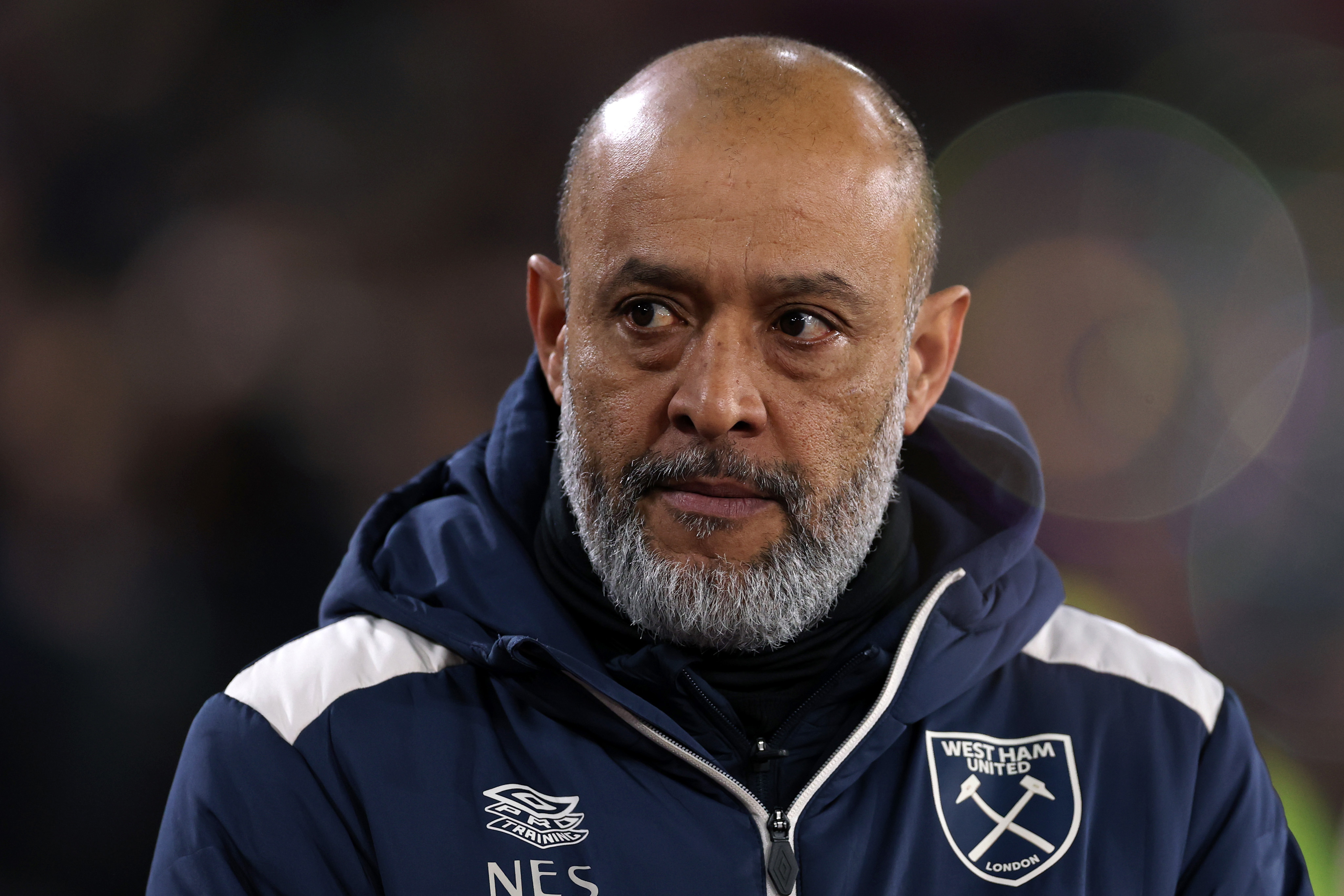
Nuno's path to this role is well-travelled.
West Ham is his fourth Premier League club. He has also managed in Saudi Arabia, Portugal and Spain.
READ MORE: Mystery injury battle blamed for crucial Demon call
READ MORE: Chat with mum that kept Aussie's Cool Runnings dream alive
READ MORE: England great calls for return of 'infectiously dour' coach
The job he did at Nottingham Forest was remarkable. He took over a club fighting to avoid relegation, and turned it into one that would compete among the best in European football.
But then the volatile nature of the Premier League shone through; a fallout with high-ranking officials led to his dismissal earlier this season.
Nuno doesn't chase sympathy when it comes to the treatment of managers.
"It's the reality of the job due to many aspects that have changed in the Premier League as a competition," he told Wide World of Sports.
"That comes from the ownerships, and from the perception of the fans, everything has changed in our industry."
The 51-year-old is an outlier when it comes to managers in the Premier League.
Born in the remote African island of São Tomé and Príncipe, he is the only black manager in the competition, which he's previously described as a "privilege".
https://www.instagram.com/reel/DS_1200gO1w/?utm_source=ig_embed&
While São Tomé and Príncipe has a bigger population than the World Cup-qualified island of Curacao, football has not been successful in the nation.
The African island has never qualified for the Africa Cup of Nations, let alone going close to a World Cup.
Nuno himself moved to Portugal at a young age and played for the nation at the Olympics.
Although he's spent the majority of his life in Portugal, Nuno still has an attachment to his homeland.
"Football in my homeland is really, really, really far from being competitive, even inside Africa," he says.
"It's a very small island … and we don't have too many players playing away from São Tomé.
"I try (to pay attention) … African football is really special, it's really special."
As the question fires back about what makes it so special, Nuno quickly answers.
"Individually, and if you have the chance to see the tournament (AFCON), you're going to see individual actions … because there are some teams, they are still a little bit anarchic, and it's fun to watch, it's really fun to watch," he says.
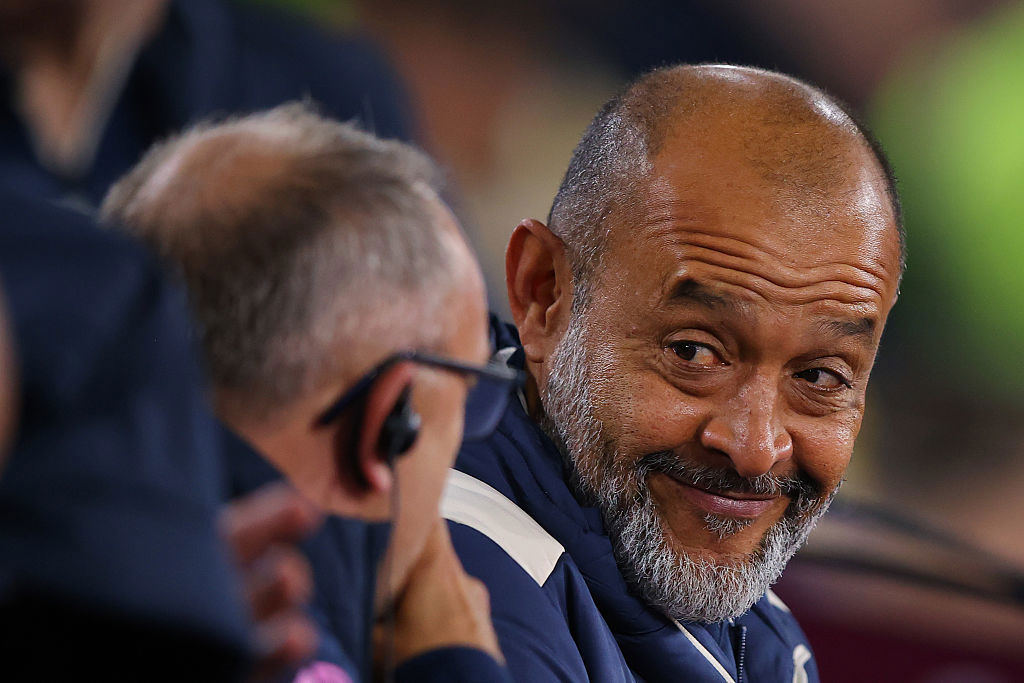
While the anarchic style can be enjoyable, it hasn't led to any sort of influx of African managers in the Premier League.
Nuno trusts there are signs of progress, though.
"I think they are progressing because you have to look at one aspect that is really basic, and I think it's easy to understand," he says.
This is clearly a topic that Nuno is passionate about, with a pause followed by a "so" as he prepares his explanation.
"You have many African players that play in the Premier League for many, many years, and then they play for their national teams," he says.
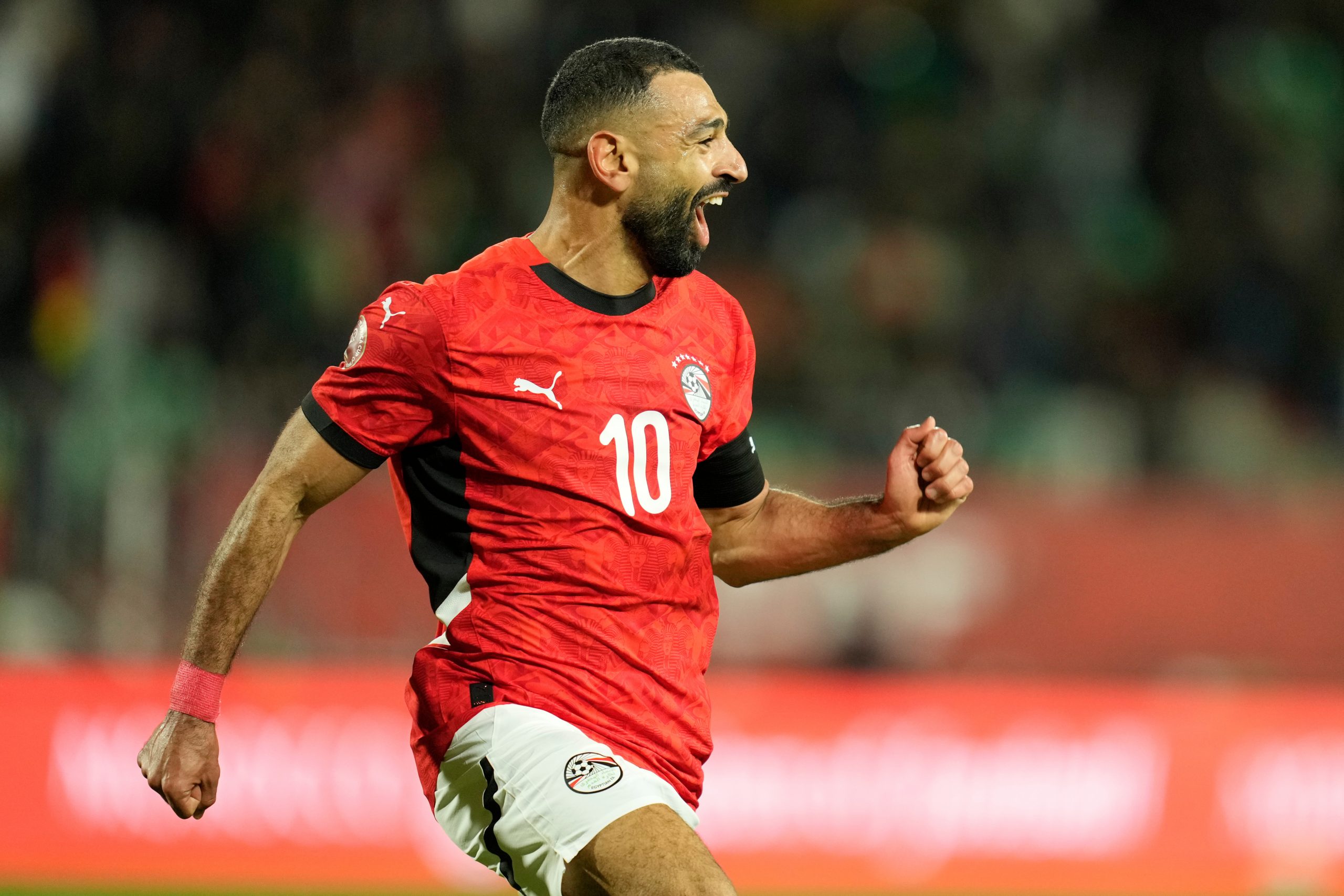
"So, the moment that these players decide to become managers with all the knowledge that they have of the Premier League and European football, if they transform that knowledge and that chance into their national teams, eventually we'll start seeing these players or ex-players coming back to the game as managers.
"So, if the number increases dramatically in African players being involved in high, top-level football, then you're going to have a lot of prospective or possible managers.
"That's why I believe that it's going to become something really, really normal … now it's due to the fact that numbers are not there, but they are increasing.
"You can see, for example, (Saudi Arabia assistant) Yaya Toure, he decided to become a manager, and now he's getting involved and if you multiply that by Ola Aina, Alex Iwobi, all these players that are here for so many years, and if their decision is to become managers, the number of black managers will increase dramatically.
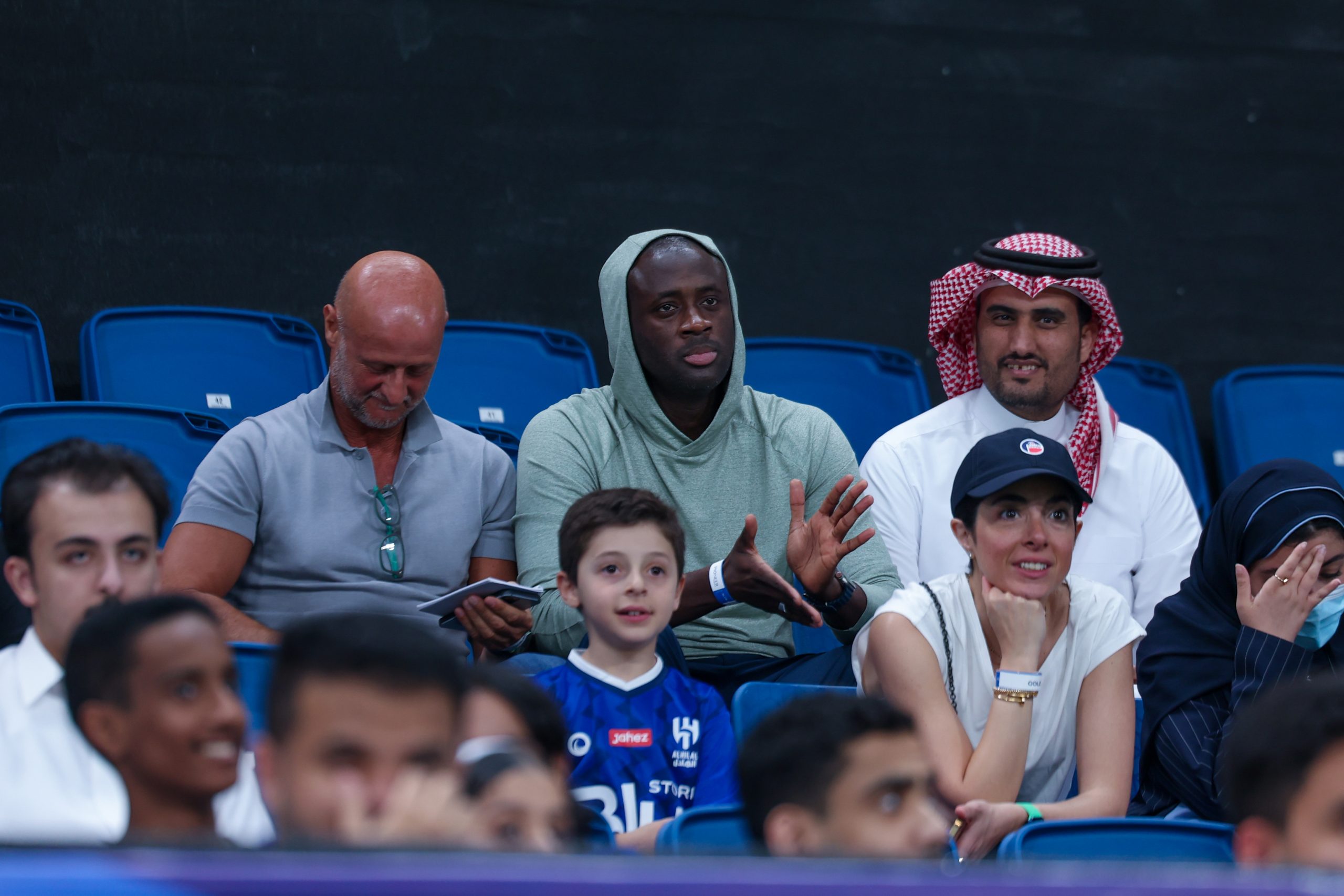
"So the clubs will have many, many options to decide. That's why I believe that it will eventually become natural in terms of managers."
If that ever happens, these managers will no doubt have to contend with what Nuno is dealing with right now.
West Ham currently sits in the relegation zone, seven points behind Forest.
https://www.instagram.com/reel/DSoIVfxgXY-/?utm_source=ig_embed&
Nuno has been in the role for over three months, and as usual, the "under pressure" tag has arrived.
It's hard to imagine many other managers doing better. He has the credentials.
But implementing tactics and understanding players isn't a quick process.
"It's a big challenge, and you are right, it has to be a process that slowly requires a lot of understanding about the player and their characteristics, their expectation, their motivations," he says.
"It's up to us also as coaches to try and adapt as quickly as possible to the players, not only us trying to put our ideas across, but also trying to understand them.
"It's a tough situation [but I'm] positive that there's improvement, but still not enough to say that the process is over and done. It takes time."
The talk around Nuno has always been that when he was a player, he was always thinking tactically. The perception was that he was born to be a manager.
But the importance of understanding the person when it comes to his players was learnt over time.
"It's something I really believe that is so important to try and understand that it's not a player, it's a person, it's a man," he says.
"You need to understand the expectations, motivations, and at the same time, the fear, the doubts.
"So when you have all these things, all this knowledge, I believe that you can get the best of the player."
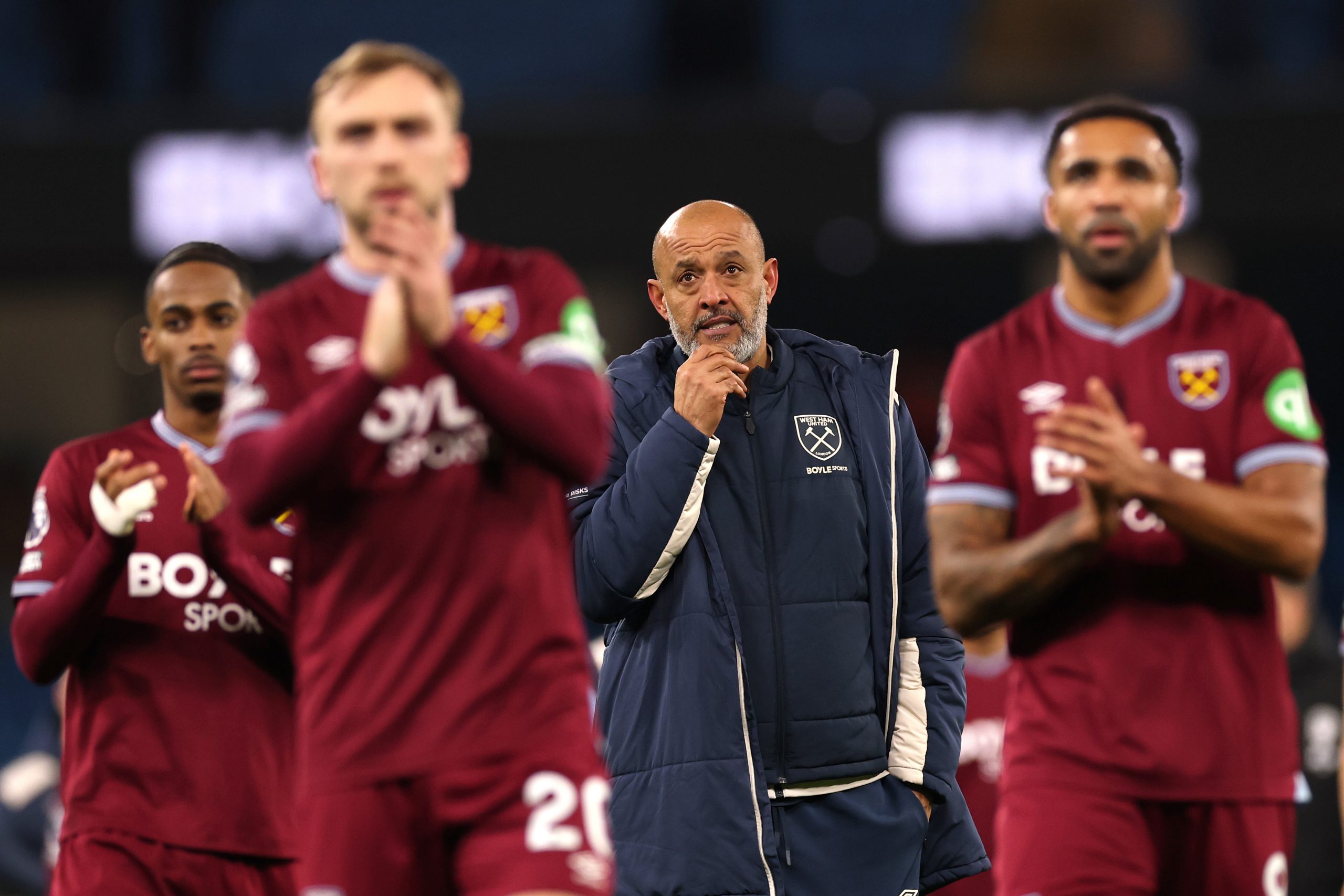
But with squads getting bigger and bigger in the Premier League, those demands have increased.
The answer to how that is achieved cannot be given in the space of a 10-minute window.
"It's difficult, but it's required, it takes time, and it goes both ways," Nuno says.
"With some players, it's easier and faster. Some of them are different.
"So you need to understand that not every day the player is going to be happy with your decisions.
"[This is] maybe for a longer conversation with you."
Leave a Reply
You must be logged in to post a comment.