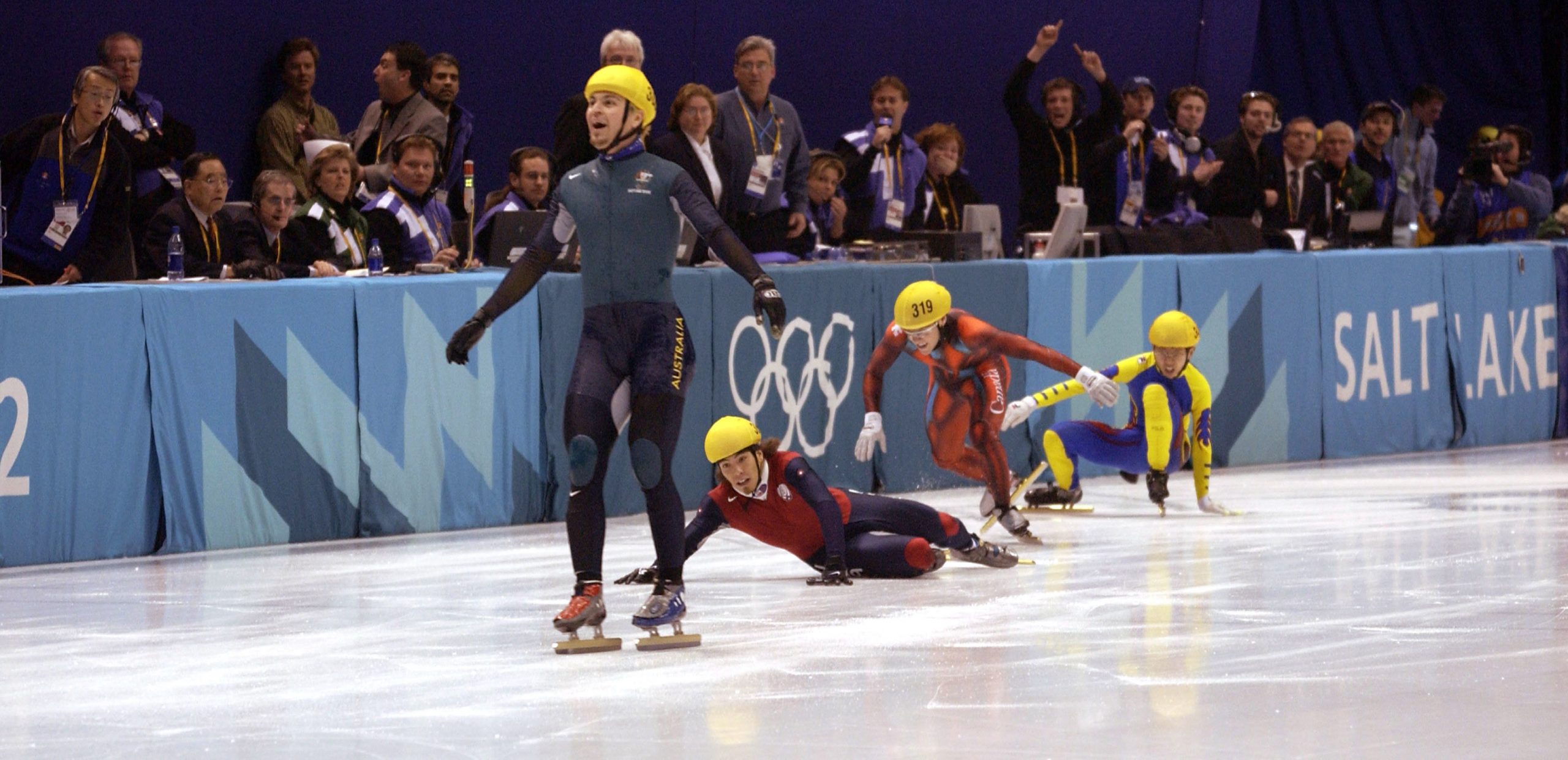
When Steven Bradbury skated over the finish line, arms aloft at Salt Lake City, Australia had its first ever gold medal in a Winter Olympics.
The sight of Bradbury, beaming with his mouth wide open, forever remains one of the greatest moments in Australian sporting history.
But now the Olympic legend is tipping there could be a new iconic moment to match his at Milano Cortina 2026, which will get under way in just 100 days.
PACIFIC CHAMPIONSHIPS TEAMS: Tonga hero returns in quest for final-sealing miracle
READ MORE: Five Shield players with most at stake ahead of Ashes selection
READ MORE: Turbo takes $400k pay cut to re-sign with Manly
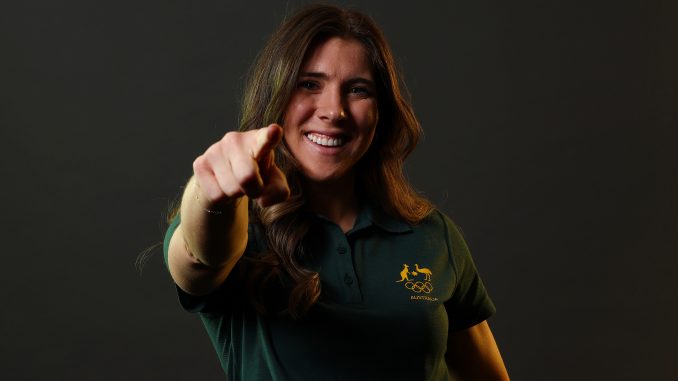
Her name is Bree Walker, but Bobsled Bree has a much better ring to it.
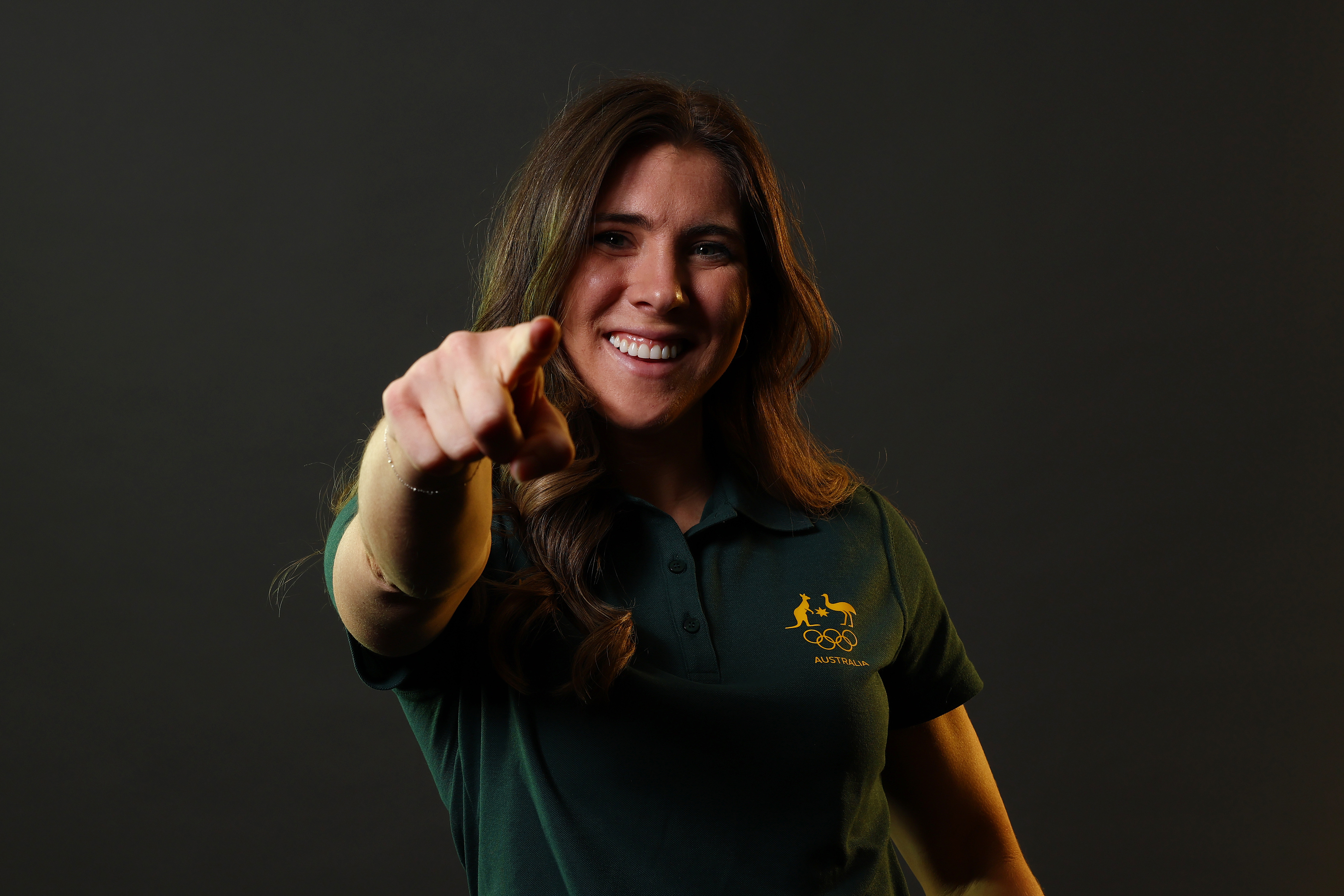
In the bobsleigh discipline, an Australian has never won gold at the Winter Olympics.
Many have tried, including the most high profile figure in dual Winter and Summer athlete Jana Pittman, but the medal has remained elusive.
This edition could be a different story when Walker steps out, and if successful, Bradbury believes it would be "huge".
"I mean just because she calls herself Bobsled Bree," he told Wide World of Sports.
"Her name's Bree Walker, but who's not going to remember Bobsled Bree if she wins?
"She's a proper powerhouse. She's real quick off the start now, which is a big part of the Cortina course and a big part of the sport in general, but more so on the Cortina course with the extra 500s off the start, you build on that all the way down the course and that potentially gets you the gold medal."
https://www.instagram.com/p/DJOfnV9vm3z/?utm_source=ig_embed&
Walker will come into Milano Cortina with form on her side.
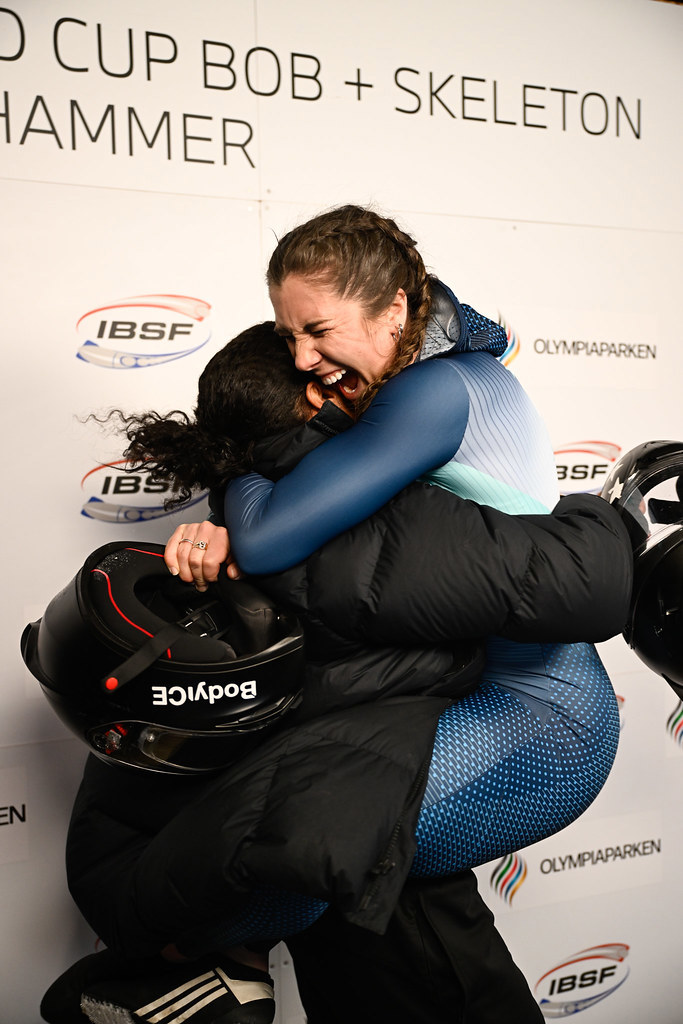
Last year she became the first Australian to win a bobsleigh World Cup gold medal with victory in the women's monobob event.
In February she was on the podium again, this time sharing gold with American Kaysha Love.
Her recent success puts her in medal contention, but it's no secret that history hasn't been kind to Australians in the discipline.
But history is meant to be rewritten and there's no better example than Bradbury.
Next year will be his ninth Winter Olympic Games as an athlete or commentator. He says the rush never goes away.
"I feel like I get some of that Olympic adrenaline and butterflies in the guts … because I've got a role with the media and I don't have to train for my whole life to get it, I kind of feel like I'm cheating, but it's just such an amazing array of athletes that the Australian winter team has now in pretty much every discipline," he said.
When the event rolls around in February it will be 24 years since his heroics in Salt Lake City.
There'd be no way of keeping count of how many times his extraordinary last man standing gold medal has been brought up to him.
Add this interview to the list. When the 24-year milestone of his most famous moment is put to him, it's fair to say it doesn't catch him off guard.
He's calm, sitting back in his chair, ready to answer the inevitable.
"A lot of people remember where they were or what they were doing when it happened, which doesn't happen for a lot of things, maybe Cadel Evans (winning the Tour de France in 2011), Kieran Perkins (gold medal from lane 8 in Atlanta, 1996), Cathy Freeman (400m gold at Sydney 2000), the John Aloisi goal (to secure the Socceroos' qualification for the 2006 FIFA World Cup), it depends what your favourite sport is," he said.
"Ash Barty winning Wimbledon is a big one for me. The 4×100 where they smash the guitars, the awesome foursome."
He says it's humbling to be on such an elite list.
"I get it that I'm the luckiest individual Olympic gold medallist in the history of sport, but you've got to put yourself in that position in life and I think it's a pretty good lesson for kids that if you want to be really good at something you have to do the hard work first, because you don't get lucky until you've worked your arse off at something," he said.
"Unless you're just going to be happy to buy a lotto ticket every week for the rest of your life, which you know for some people that's all they need, but you don't get adrenaline from scratching a lotto ticket."
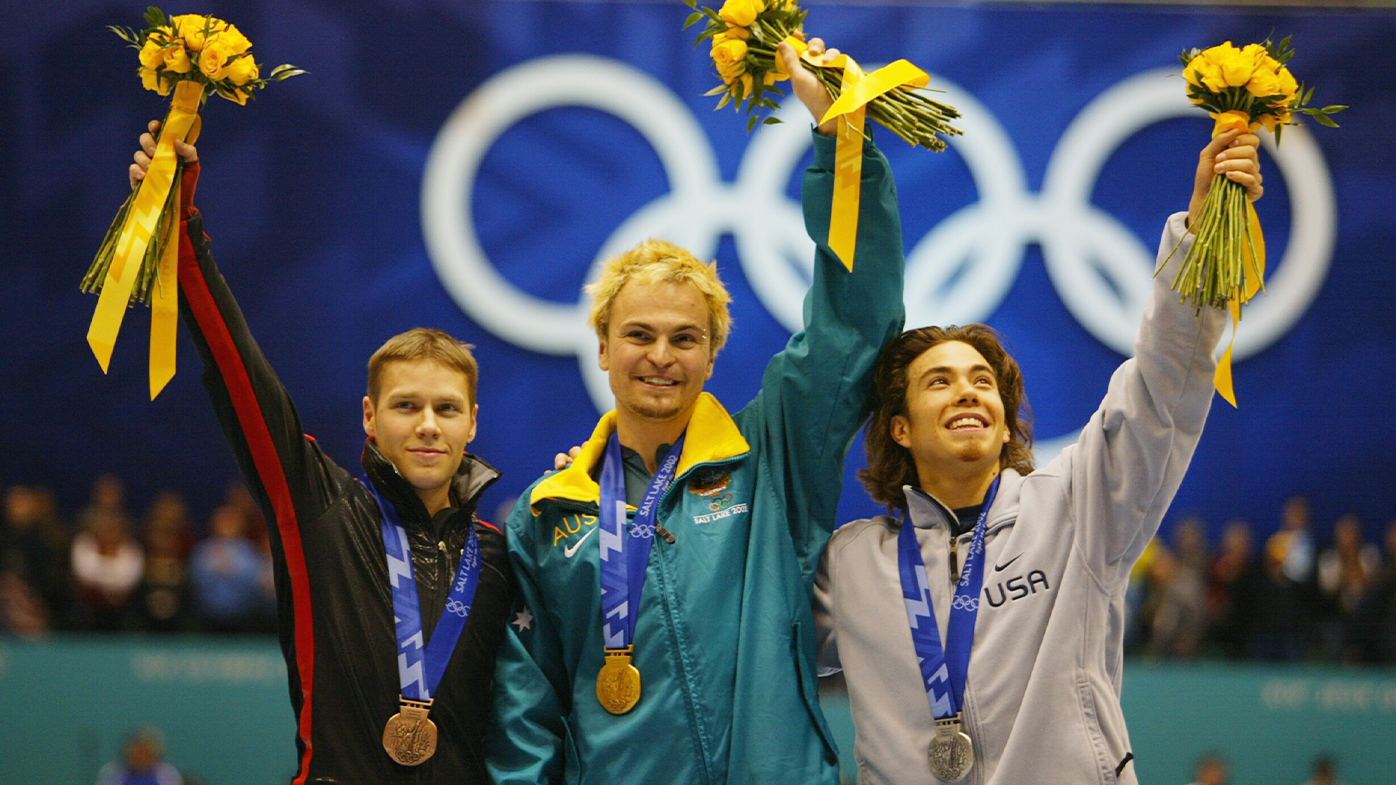
It's a juxtaposition that Bradbury continually grapples with. He knows he's perceived as lucky, but also knows the physical and mental work that he put in to qualify for finals at Olympic level.
These days Bradbury is a highly sought after public speaker and it's this message about persistence that he drives home.
Yes he was lucky his rivals all fell in front of him, but he worked bloody hard to get there.
So what does 'doing a Bradbury' mean to him all these years later?
"I'm very proud of it," he said defiantly.
"They put it into the Macquarie Dictionary in 2014, I think I've heard young people use it when I was in their vicinity, but they didn't know who I was or where I come from, and they got the context right, and I just sort of walked off and chuckled.
"I get why people ask that question because of the luck that goes with that saying, I mean, by definition they call it a lucky victory, but training five hours a day, six days a week for 14 years is not lucky.
"That's what makes me most proud of that saying is that it's a pretty good lesson for kids or parents or teachers to tell their kids that you know what, you've got a bit of passion for this, why don't we go all in and see what happens because it happened for this bloke."
Leave a Reply
You must be logged in to post a comment.